
A broken tooth announces itself immediately. The crunch when you bite into something hard. The sharp edge your tongue finds instantly. The sudden awareness that something significant has changed in your mouth.
The severity spans a wide range. A tiny chip might remove just enough enamel to create a rough spot. A moderate break could expose the yellow dentin layer underneath. A severe fracture might split the tooth vertically or break off a substantial portion, leaving raw nerve tissue visible and screaming with pain.
Each type of break requires different treatment, carries different costs, and presents different levels of urgency. Understanding what you're dealing with helps you respond appropriately when your tooth breaks.
What Broken Tooth Repair Actually Costs
Emergency dental appointments for broken teeth cost £75-150 at most private practices. This covers examination, X-rays, and assessment of the damage.
Minor chips that only affect enamel can be smoothed and polished for minimal cost, sometimes included in the examination fee. These surface-level repairs address sharp edges without requiring restoration.
Composite bonding repairs moderate chips and breaks. The tooth-colored resin rebuilds the missing structure and costs £250 per tooth at Dentozen. This treatment handles most chips and small to moderate breaks effectively.
Severe breaks requiring crowns cost significantly more. The crown itself runs £499+, and if the break exposed the nerve, root canal treatment becomes necessary first at £499-599. Combined treatment for a severely broken tooth totals £998-1,098+.
Complete tooth loss from severe trauma requires extraction (£299-350) followed by eventual implant replacement starting from £2,600 for the complete restoration.
How to Tell How Severe Your Break Is
Enamel-only chips show uniform white color across the broken area. There's no sensitivity to temperature or pressure. The damage is purely cosmetic. Your tongue feels a rough edge, but there's no discomfort when you eat or drink.
These minor chips don't require urgent treatment. You can schedule a routine appointment within the week. The tooth isn't vulnerable to decay because the protective enamel layer, though damaged, hasn't been breached completely.
Dentin exposure creates a distinctly different appearance. The broken area shows two colors: white enamel at the edges and darker yellow or brown dentin in the center. This causes noticeable sensitivity, especially to cold temperatures and when chewing on that side.
Dentin-level breaks need treatment within a few days. The porous dentin allows bacteria to penetrate toward the nerve chamber. The sensitivity indicates the protective barrier has been compromised. Delaying treatment risks the break deepening into the pulp.
Pulp exposure constitutes a genuine dental emergency. You'll know immediately because the pain is substantial and constant. The broken area might show pink or red tissue. The tooth might feel loose. Cold air hitting the exposed nerve creates intense, sharp pain.
These severe breaks require same-day treatment. The exposed nerve tissue will become infected within hours. The pain intensifies rapidly as bacteria colonize the pulp chamber.
What Happens at the Emergency Appointment
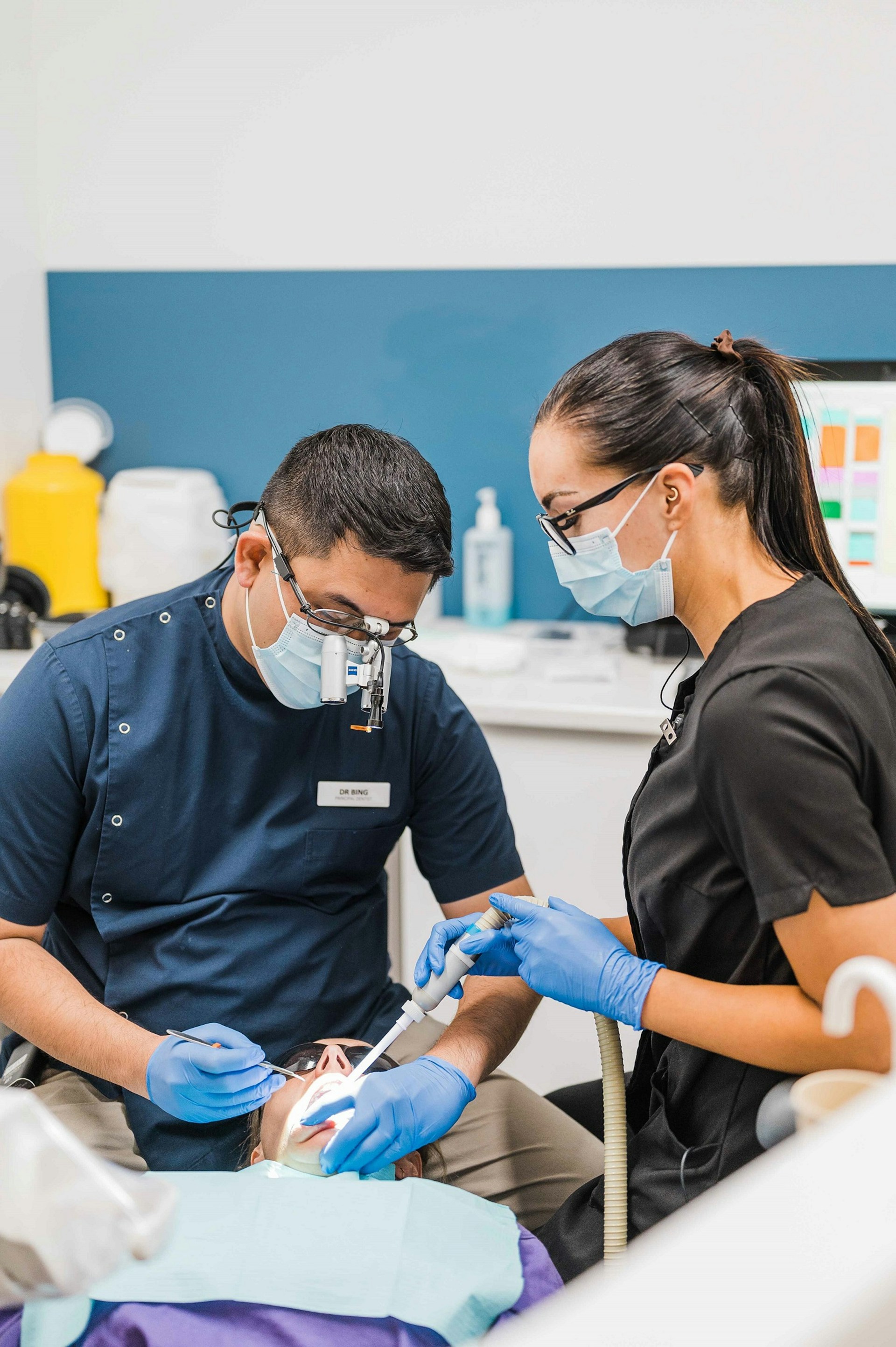
The dentist examines the tooth to determine how deep the break extends. Visual inspection reveals whether enamel alone is damaged or if deeper structures are involved. The tooth's color, your description of sensitivity, and the visible extent of missing structure all inform this assessment.
X-rays show what's happening below the gum line. They reveal whether the break extends into the root, whether the nerve chamber has been exposed, and whether any cracks extend through the tooth vertically. These hidden details determine treatment options.
For minor chips affecting only enamel, the dentist smooths the rough edges with a polishing disc. This takes minutes and requires no anesthetic. The smoothing eliminates sharp edges that cut your tongue or cheek.
Moderate breaks get composite bonding during the same appointment. The dentist roughens the broken surface with acid etching, which creates microscopic pores for the bonding material to grip. The composite resin goes on in layers, each hardened with UV light before the next layer is added.
The dentist shapes the composite to match your natural tooth contour, then polishes it smooth. The entire process takes about an hour. Most people don't need anesthetic because the work stays within the dentin and enamel layers.
Severe breaks require more complex treatment planning. If the pulp is exposed, immediate options include emergency pulp removal to stop the pain, followed by proper root canal treatment in a subsequent appointment. The emergency visit stabilizes the situation. Definitive treatment comes later.
Why Breaks Happen
Trauma causes the most dramatic breaks. Falls, sports injuries, or accidents create instantaneous fractures. The impact force exceeds what the tooth structure can absorb, causing it to fail at its weakest point.
Front teeth break more easily from trauma because they project forward. They take the initial impact when you fall face-first. Back teeth, being more recessed, break less often from trauma but more often from biting forces.
Chewing on hard objects produces breaks that develop over seconds rather than instantly. Biting down on an olive stone, ice cube, or popcorn kernel creates sudden localized pressure that exceeds the tooth's strength. The crack propagates through the enamel faster than you can release the pressure.
Decay weakens tooth structure from the inside. A tooth that appears intact on the surface might have extensive cavity underneath an old filling. When you bite down, the thin remaining walls collapse. The break seems sudden, but the weakness developed over months or years.
Grinding teeth produces microfractures that accumulate over time. Each grinding episode creates tiny cracks in the enamel. Eventually these microcracks connect and propagate through the tooth structure. The final break appears sudden, but it's the culmination of repeated stress.
Temperature changes weaken enamel gradually. Repeatedly exposing teeth to extreme cold followed by hot liquids causes expansion and contraction. The enamel develops tiny stress fractures. People who chew ice regularly often break teeth because the repeated thermal cycling has weakened the structure.
When Composite Bonding Works
Bonding handles breaks where at least half the natural tooth structure remains intact. The composite resin rebuilds missing portions but needs sufficient natural tooth to bond to. Very large breaks can't be repaired with bonding alone because there's not enough surface area for adequate adhesion.
Front teeth receive bonding more commonly than back teeth. The cosmetic result is excellent, and front teeth endure less chewing force than molars. The composite can withstand normal biting pressure on incisors without failing.
Back teeth sometimes get bonding for small to moderate breaks, but the success rate decreases as the break size increases. Molars handle enormous chewing forces. Large composite restorations on molars often fail within a few years because the forces exceed what the material can withstand.
The bonding process requires the tooth surface to stay dry during application. Saliva contamination prevents proper adhesion. This is why very deep breaks near the gum line sometimes can't be bonded effectively. Keeping the area dry becomes impossible when the break extends below the gum.
Bonding typically lasts 5-10 years on front teeth with proper care. The material gradually wears down and can stain over time. Back teeth see shorter lifespans, often 3-7 years, because of the higher chewing forces they endure.
When Crowns Become Necessary
Crowns protect teeth where more than half the structure is gone. The remaining tooth walls become too thin to withstand chewing forces reliably. A crown caps the entire visible portion, distributing pressure evenly and preventing further fracture.
Vertical cracks through the tooth require crowns even when the break is small. These cracks propagate under chewing pressure. The crown holds the tooth together, preventing the crack from spreading. Without a crown, the tooth will eventually split completely.
Teeth with large old fillings often break around the filling. When this happens, the remaining tooth structure is usually too compromised for another filling. The tooth needs a crown to hold everything together and restore function.
Root canal treated teeth always need crowns eventually. The treatment removes blood supply to the tooth, making it brittle over time. Most dentists recommend crowns immediately after root canal treatment to prevent the inevitable fracture.
Crown preparation involves removing additional tooth structure to create space for the crown material. This seems counterintuitive when the tooth is already broken, but the shaping ensures the crown fits properly and doesn't create bite problems.
The Root Canal Question
Root canal treatment becomes necessary when the break exposes the pulp chamber. The pulp contains nerves and blood vessels. Once exposed to oral bacteria, infection develops rapidly.
Symptoms of pulp exposure include severe pain, extreme temperature sensitivity, and sometimes visible pink or red tissue in the broken area. The pain typically intensifies over hours as bacterial infection establishes itself.
Some breaks reach very close to the pulp without actually exposing it. These borderline cases might be treated with bonding initially, with the understanding that root canal treatment might become necessary later if the pulp becomes inflamed.
The dentist sometimes places a protective liner over the deepest part of the break before bonding. This material shields the pulp from the bonding chemicals and provides an additional barrier against bacterial penetration.
Pulp death can occur weeks or months after a break, even when initial treatment succeeded. The trauma to the tooth might damage blood vessels feeding the pulp. The pulp gradually dies, eventually requiring root canal treatment despite initially appearing healthy.
What People Do While Waiting
Dental wax from pharmacies covers sharp edges temporarily. The wax creates a smooth surface that prevents cuts to your tongue and cheek. It's not a solution, but it manages discomfort while waiting for your appointment.
Cold sensitivity improves if you avoid cold foods and drinks. Room temperature or slightly warm beverages don't trigger the sharp pain that ice-cold liquids cause. This adaptation helps until the tooth can be properly repaired.
Pain management relies on standard over-the-counter medication. Ibuprofen works better than paracetamol for dental pain because it addresses inflammation. Combining both medications provides better relief than either alone when pain becomes significant.
Some people try temporary dental filling material from pharmacies. These materials provide minimal protection but don't bond to tooth structure effectively. They often fall out quickly, and removing them at the actual appointment sometimes damages the tooth further.
Avoiding the broken tooth while eating prevents additional damage. Chewing on the opposite side protects the tooth from further fracture. This becomes automatic within hours of the break happening.
Prevention After Repair
Bonded teeth remain slightly weaker than intact natural teeth. The bond between composite and enamel is strong but not quite as strong as intact tooth structure. Avoiding very hard foods on repaired teeth extends their lifespan.
Night guards protect both natural and restored teeth from grinding damage. The guard distributes pressure evenly and prevents the concentrated forces that crack teeth. People who grind often break bonded teeth within months without protection.
Regular check-ups catch problems with repairs before they become emergencies. Dentists can see early signs of bonding failure: discoloration at the margins, slight gaps opening between filling and tooth, or stress cracks forming in the composite.
Crowned teeth still need careful maintenance. The crown protects the tooth structure underneath, but the junction between crown and tooth at the gum line remains vulnerable to decay. Thorough cleaning at this margin prevents the cavity that would require crown replacement.
Some breaks indicate underlying structural problems that will cause future breaks. Teeth that break from normal chewing forces were probably weakened by extensive decay or very large fillings. These teeth might continue having problems even after repair.
When Extraction Becomes the Answer
Very severe breaks sometimes damage the tooth beyond repair. Vertical fractures extending into the root, breaks below the bone level, or extensive root decay make saving the tooth impossible.
The decision to extract rather than repair depends on how much tooth structure remains and whether that structure is healthy. A tooth broken off at the gum line might be restorable if the roots are healthy. A tooth broken above the gum but with severely decayed roots isn't salvageable.
Front tooth extraction creates obvious cosmetic concerns. Temporary partial dentures or immediate temporary crowns fill the gap while healing occurs. Permanent replacement with dental implants typically waits 3-6 months for complete bone healing.
Back tooth extraction affects chewing efficiency less dramatically than front tooth loss. Many people function adequately with missing back teeth. However, neighboring teeth gradually shift into the gap, creating bite problems years later.
Implant placement for extracted teeth requires adequate bone volume. Traumatic tooth loss sometimes fractures surrounding bone. Bone grafting might be necessary before implant placement, adding several months and additional cost to the treatment timeline.
The Bottom Line
Broken tooth repair costs vary dramatically based on severity. Minor chips cost £250 for composite bonding. Moderate breaks requiring bonding run the same. Severe breaks needing both root canal and crown total £998-1,098+.
The broken tooth won't heal or improve on its own. Waiting allows bacteria to penetrate deeper, sensitivity to worsen, and the break to propagate further. Early treatment is always simpler and less expensive than delayed treatment.
Book an emergency appointment at Dentozen if you've broken a tooth. Emergency examinations cost £65 and provide immediate assessment of the damage and treatment options.