
When you're looking to fix chips, gaps or discoloured teeth, composite bonding and porcelain veneers both use tooth coloured materials to create a brighter, more even smile. The price difference between them seems straightforward at first. Composite bonding costs £250 to £450 per tooth. Porcelain veneers run £400 to £800 per tooth.
But here's what makes the comparison interesting. These aren't just budget versus premium versions of the same thing. They're fundamentally different approaches that work better for different situations. Understanding what each one actually does helps determine which makes sense for your specific case.
The Basic Distinction
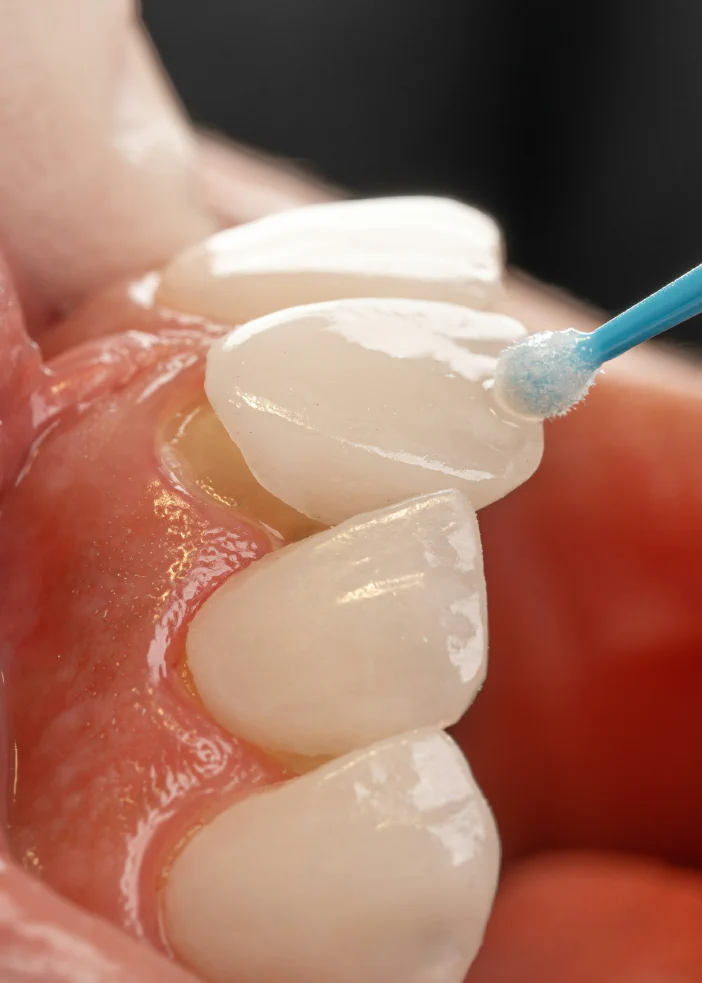
Composite bonding involves applying tooth coloured resin material directly to the tooth surface. The dentist sculpts and shapes it chairside, then hardens it with a special curing light. The entire process happens in a single appointment with minimal preparation to the natural tooth.
Porcelain veneers are thin, custom made shells crafted from high quality ceramic. They're fabricated in a dental laboratory based on impressions or digital scans of your teeth. Fitting them requires at least two appointments and involves removing a thin layer of tooth enamel to make room for the veneer.
At Dentozen, composite bonding costs £250 per tooth, while porcelain veneers start at £500. This price difference reflects genuine differences in materials, fabrication process, and what each treatment accomplishes long term.
What Preparation Actually Means
One of the key differences between composite bonding and porcelain veneers shows up in tooth preparation. For bonding, the dentist only needs to roughen the tooth surface slightly so the resin can bond properly. This minimal preparation keeps the procedure reversible.
Veneers require removing a thin layer of tooth enamel, typically about 0.5mm, to create space for the veneer shell. This is a permanent alteration to the tooth. Once enamel gets removed, it doesn't grow back. The tooth will always need some form of covering from that point forward.
This irreversibility matters when weighing options. Bonding can be adjusted, redone, or removed entirely if circumstances change. Veneers commit you to always having something covering that prepared tooth surface, whether that's the original veneer, a replacement veneer, or eventually a crown if the veneer fails.
The Durability Question
Porcelain veneers are known for their durability and can last 10 to 15 years or more with proper care. The high quality porcelain material resists staining and mimics the natural translucency of tooth enamel, ensuring a lifelike appearance for years.
Dental bonding has a shorter lifespan of 3 to 7 years and proves more susceptible to staining and wear over time. Composite resin is softer than porcelain and can wear down or absorb stains sooner from coffee, tea, red wine, or smoking.
That durability difference creates an interesting cost calculation. A £500 veneer lasting 12 years costs about £42 per year. A £350 bonding treatment lasting 5 years costs £70 per year. The initially cheaper option becomes more expensive over time when factoring in replacement frequency.
On the flip side, bonding repairs easily if it chips or breaks. A tiny chip can often be smoothed or reattached in a chairside visit. A chipped veneer usually means fabricating a brand new one in the lab, which involves the full cost and time of the original veneer placement.
How Each One Looks
Porcelain veneers mimic natural enamel better than composite bonding. Veneers offer a translucent appearance that looks more lifelike. The custom crafted ceramic shells get designed to match the shape, size, and colour of your teeth, offering unparalleled aesthetics.
The high quality porcelain reflects light just like real teeth. This light reflecting property, combined with porcelain's natural translucency, creates results that blend seamlessly with surrounding natural teeth. Veneers can achieve very white, perfectly shaped teeth that maintain their brightness over years.
Composite bonding can look great initially but may not match the realism of veneers long term. The composite resin material doesn't have quite the same translucent quality as porcelain. While modern composite materials have improved dramatically, they still can't fully replicate the optical properties of natural enamel the way porcelain does.
Composite bonding can stain over time, especially from coffee, tea, red wine, or tobacco. Porcelain veneers are highly stain resistant, maintaining their brightness for years. If achieving the most natural and long lasting white smile is the goal, veneers deliver superior results in that regard.
The Time Investment
Composite bonding gets completed in a single visit, making it the quicker option. The entire process, even for multiple teeth, typically takes one morning or afternoon appointment. This immediacy appeals to people wanting fast results without multiple visits.
Veneers require at least two appointments, usually a few weeks apart. The first appointment handles tooth preparation and takes scans to create temporary veneers. The second appointment, once the lab finishes fabricating the permanent veneers, involves bonding them permanently to your teeth.
The multi visit process for veneers creates inconvenience but allows for precise customization. The lab fabrication means each veneer gets individually crafted to exact specifications. Adjustments to shade, shape, and fit can happen between appointments based on how the temporaries look and feel.
What Each Treatment Handles Best
Composite bonding gets typically used for minor cosmetic concerns. Small chips, gaps between teeth, slight reshaping, or covering minor discolouration all fall within bonding's wheelhouse. It's a versatile solution for addressing individual imperfections without dramatically changing overall tooth appearance.
Veneers get used when seeking complete transformation of tooth appearance, including shape, size, and colour significantly. They can address severe discolouration that whitening can't fix, misshapen teeth, worn down enamel, or creating uniformly sized teeth when natural teeth vary in size.
For things like teeth straightening, treatments like clear aligners might prove more appropriate than either bonding or veneers. Similarly, simple tooth whitening can brighten smiles while keeping natural tooth structure intact if discolouration is the only concern.
At Dentozen, the composite bonding consultation at £30 helps determine whether bonding alone can achieve desired results or whether veneers would better serve the transformation you're seeking.
The Staining Reality
Both treatments can stain over time, but porcelain veneers resist staining far better than composite bonding. Porcelain's non porous surface makes it inherently stain resistant. Coffee, tea, and red wine that would discolour composite bonding have minimal effect on porcelain.
Composite bonding, while durable, proves more prone to staining, especially when bonded teeth get exposed to staining substances regularly. The composite resin material is somewhat porous, allowing staining compounds to penetrate over time.
This staining susceptibility doesn't mean bonding turns brown within months. But over years, noticeable discolouration can develop that makes bonded areas look different from surrounding natural teeth. Professional cleaning helps, but eventually replacement becomes necessary to restore the original bright appearance.
Veneers maintain their colour indefinitely under normal circumstances. The ceramic material simply doesn't absorb staining compounds the way composite does. This colour stability contributes to veneers' longer effective lifespan beyond just physical durability.
When Combining Makes Sense
Bonding and veneers can be combined in a smile makeover. Using veneers on front teeth where aesthetics matter most, while employing bonding for back teeth or minor corrections on less visible teeth, creates a balanced approach.
This combination strategy lets you invest in premium aesthetics where it shows while using more economical solutions where perfect appearance matters less. The approach requires careful planning to ensure consistent results across different treatment types.
Some situations genuinely benefit from hybrid treatment. Front teeth that show prominently in your smile might warrant veneers' superior aesthetics and durability. Adjacent teeth needing only minor adjustments might work perfectly fine with bonding.
The Reversibility Factor
Composite bonding remains minimally invasive and can be reversed. Since it requires little to no tooth preparation, removing bonding and returning to natural tooth structure stays possible. This reversibility provides flexibility for future treatment options.
Veneers, requiring enamel removal, become essentially irreversible. The prepared tooth will always need some form of restoration. This permanence isn't necessarily negative, but it does commit you to maintaining veneers or eventually moving to crowns if veneers fail.
For younger patients or those uncertain about permanent alterations, bonding's reversibility offers peace of mind. Veneers make more sense when committing to long term aesthetic improvement and accepting the permanent nature of tooth preparation.
Making the Cost Work
The cost difference between bonding and veneers reflects materials, fabrication process, and longevity. Bonding, being simpler and completed in one visit, costs less upfront. Veneers, with their lab fabrication and multiple appointments, command higher fees.
However, veneers' longer lifespan and superior stain resistance mean they can prove more cost effective over extended periods. Someone expecting to keep their smile enhancement for 15 years might find veneers actually cost less per year than repeatedly replacing bonding.
Dentozen offers both composite bonding at £250 per tooth and porcelain veneers at £500 per tooth. The consultation process helps determine which investment makes sense based on your specific goals, budget, and timeline.
Which Situation Calls for Which Treatment
Composite bonding works best when addressing minor imperfections quickly and affordably. Chips, small gaps, slight colour variations, or minor reshaping all suit bonding well. The single appointment convenience and lower cost make bonding practical for targeted improvements.
Porcelain veneers excel when seeking dramatic, lasting transformation. Severe discolouration, significantly misshapen teeth, substantial size corrections, or creating a complete smile makeover all benefit from veneers' superior aesthetics and durability.
Budget conscious patients seeking short term improvements find bonding appealing. Those willing to invest in long term, stain resistant solutions that maintain their appearance for over a decade lean toward veneers.
If you're considering cosmetic dental work in the Enfield area, book a consultation at Dentozen to discuss whether bonding, veneers, or a combination approach best serves your specific goals. The choice between them depends less on which is "better" and more on which approach aligns with your situation, timeline, and expectations for your smile transformation.