
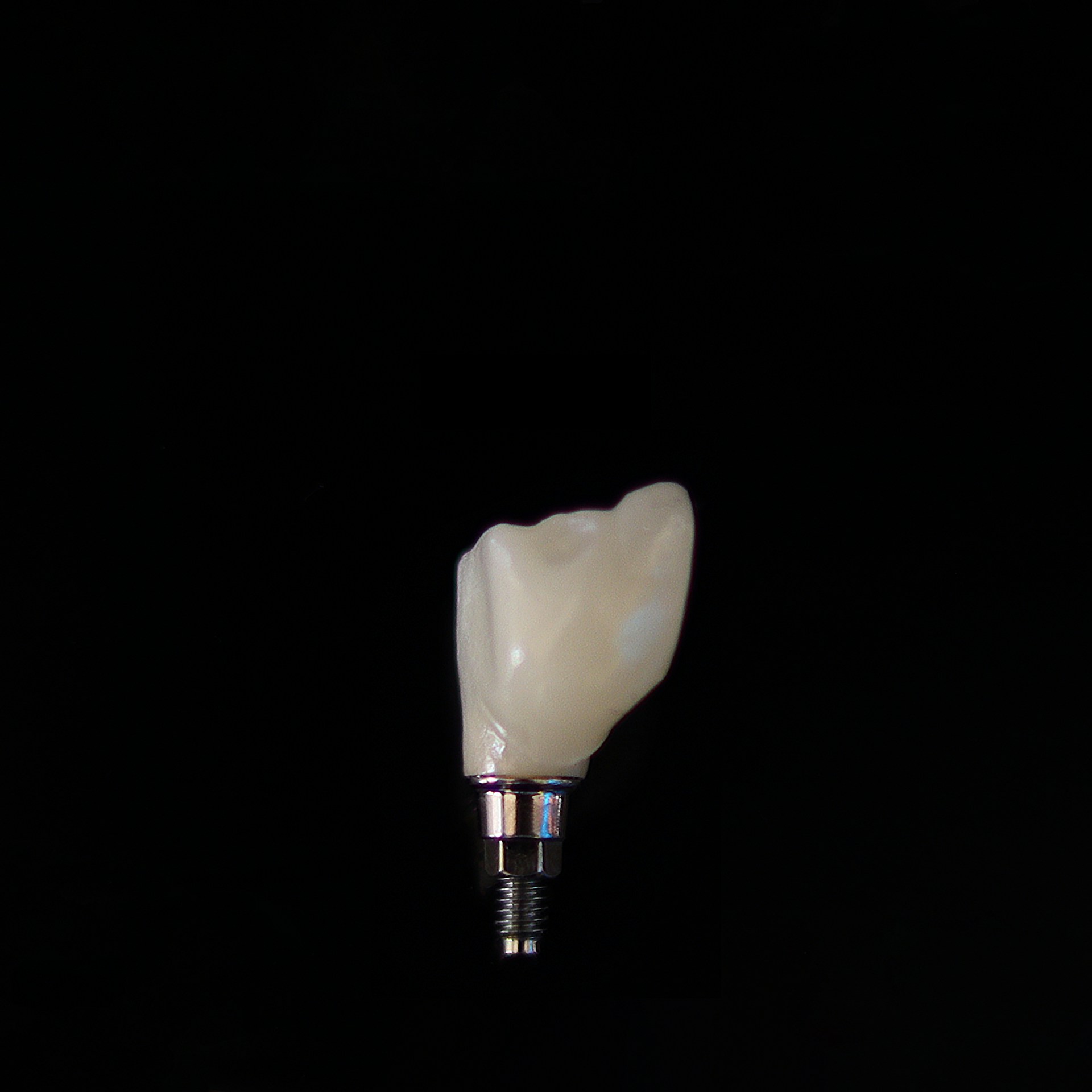
The price spread for dental implants in the UK is genuinely wild.
A single tooth replacement runs anywhere from £1,800 to £3,800 depending on who's doing it, what they're using, and what your specific situation requires. Full mouth restoration with All-on-4 sits at £12,000-£18,000 per arch, while traditional full jaw work hits £25,000-£35,000.
That's not a typo. You can pay double for essentially the same end result depending on the approach taken.
Here's what actually creates these price differences, and more importantly, when spending less ends up costing you significantly more in the long run.
The Three-Part Cost Structure Nobody Explains Upfront
Every dental implant involves three separate components, and practices price them differently. Some bundle everything together in one figure. Others itemize each part separately so the final bill creeps up as treatment progresses.
The implant fixture itself screws into your jawbone and acts as the artificial root. This titanium post typically costs £1,000-£1,500 depending on the brand and whether you're getting premium Swiss-made Straumann or a budget alternative.
The abutment connects the implant to the visible tooth and runs £300-£500. Some practices include this in their quoted price, others add it later as a separate charge.
The crown is the actual replacement tooth that sits on top, costing £500-£1,800 depending on material quality and whether it's made in-house or sent to an external lab.
When someone quotes £1,800 for an implant, verify exactly what that includes. If it's just the fixture, you're looking at £2,600-£3,800 once abutment and crown get added. If it's the complete package, you're getting reasonable value at that price point.
London Doesn't Have the Highest Prices
Edinburgh consistently outprices London for dental work, and implants follow the same pattern. Central London practices charge £2,800-£4,500 for a single implant, but Edinburgh frequently hits £3,000-£5,000 for identical treatment.
Enfield, sitting just outside London proper, typically runs £2,400-£3,200 for single implants. You're not paying the full London premium but you're getting access to the same training standards and regulatory oversight.
Regional pricing differences stem from practice overhead costs rather than quality variations. A Birmingham practice charging £2,200 uses the same implant systems as a Harley Street clinic charging £4,500. The implant itself costs the practice roughly the same regardless of location.
What changes is rent, staffing costs, and what the local market will bear. Practices price based on what their competition charges and what patients in their area can afford, not on a standardized fee structure that reflects actual treatment costs.
When Bone Grafting Doubles Your Bill
About 40% of implant patients need bone grafting before the implant can be placed. If you've been missing a tooth for more than six months, your jawbone has likely started deteriorating where that tooth used to be.
Bone grafts add £400-£1,200 to treatment costs depending on how much bone needs rebuilding. Minor grafts using synthetic material sit at the lower end. Major grafts requiring bone from elsewhere in your body hit the upper range.
Sinus lifts for upper jaw implants cost £800-£2,000 per side when there's insufficient bone height below the sinus cavity. These procedures require specialist expertise and add weeks to the overall timeline.
Some practices include potential grafting costs in their initial quote. Others present a base price, then add grafting charges once scans reveal the extent of bone loss. The second approach creates sticker shock when patients expecting a £2,500 implant suddenly face a £4,200 bill.
The Turkey Teeth Gamble
Dental tourism to Turkey advertises single implants for £600-£1,000 including flights and accommodation. Full arch All-on-4 runs £4,500-£6,000 compared to £12,000-£18,000 in the UK.
Here's what those numbers don't include: follow-up appointments cost hundreds in flights each time something needs adjustment. If an implant fails six months later, you're either flying back to Turkey or paying a UK dentist £2,000-£3,000 to remove the failed implant and start over.
UK practices frequently refuse to work on overseas implants unless it's an emergency removal. They don't know what system was used, can't verify the quality of materials, and don't want liability for someone else's work.
Implant failure rates in Turkey sit around 8-12% compared to 2-5% in UK specialist practices. When it works, you've saved thousands. When it fails, you've spent more than UK treatment would have cost initially, and you still don't have a functioning tooth.
The General Dental Council and Care Quality Commission enforce standards in the UK that don't exist in most dental tourism destinations. That regulatory framework costs money to maintain, but it dramatically reduces the chances of things going catastrophically wrong.
All-on-4 Versus Traditional Full Arch
Full mouth restoration traditionally required 6-8 implants per arch at £25,000-£35,000 total. All-on-4 achieves similar results with four strategically angled implants per arch at £12,000-£18,000.
The technique works by placing rear implants at 45-degree angles to maximize bone contact without requiring grafts. Front implants go in vertically where bone density is naturally highest.
Not everyone qualifies for All-on-4. Severe bone loss, certain bite patterns, and heavy grinding habits can rule out this approach. The consultation and scanning process determines candidacy, which is why practices can't give definitive pricing until after the assessment.
Traditional full arch placement allows more flexibility in implant positioning but costs nearly double due to the additional fixtures and more complex surgical planning. For patients who qualify for All-on-4, the cost savings are substantial with functionally identical results.
The Premium Brand Price Jump
Straumann and Nobel Biocare implants cost practices roughly 40% more than budget alternatives but come with decades of research data proving their longevity. Most UK practices use premium brands for exactly this reason.
Budget implant systems from lesser-known manufacturers can be perfectly adequate, but the long-term success data doesn't exist. When an implant is designed to last 20-30 years, you want evidence that the manufacturer will still be around in two decades to provide replacement parts if needed.
Premium brands also offer wider component selections. If something needs adjustment five years post-placement, Straumann has the parts in stock. Budget systems might require complete implant removal if the specific abutment type gets discontinued.
The £800-£1,200 premium for a brand-name implant over a budget alternative becomes negligible when spread across 25 years of use. It's insurance against obsolescence and access to proven success rates.
NHS Coverage Is Effectively Zero
NHS dental implants exist in theory for cancer patients, severe trauma cases, or congenital conditions causing missing teeth. In practice, fewer than 1% of implant patients qualify.
Even qualifying patients face 12-18 month waiting lists for assessment appointments, then additional months before treatment begins. The NHS will cover basic implant placement but typically won't pay for premium materials or advanced techniques.
Private treatment moves at your pace. Assessment happens within days, treatment starts within weeks, and you get choice over materials and approach. The speed difference alone justifies private costs for most people dealing with missing teeth.
Finance Makes the Math Look Better
Most practices offer 0% APR financing over 12-24 months. A £2,800 implant becomes £117-£233 monthly with zero interest added to the total.
Longer terms of 36-60 months typically carry 7-10% APR, which adds £300-£800 to a single implant's cost over the full term. That interest charge is worth considering against the benefit of lower monthly payments.
The typical UK patient finances their implant treatment rather than paying upfront. Practices structure pricing with this expectation built in, which is why quoted prices often end in round numbers convenient for monthly payment plans.
Maintenance Costs Show Up Years Later
Implants themselves rarely need work once successfully integrated, but the crown on top typically requires replacement every 10-15 years depending on material and wear patterns. Replacement crowns cost £500-£1,200 each.
Regular hygienist visits matter more with implants than natural teeth. Bone loss around implants accelerates rapidly once started, and can't be reversed. Professional cleaning every 3-6 months prevents the bacterial buildup that triggers this process.
Budget £100-£150 annually for hygienist maintenance if you want your implants lasting decades rather than years. That ongoing cost isn't typically mentioned during the sales process but determines whether your £3,000 investment performs for 20 years or requires replacement after 8.
Single Implant Economics Versus Multiple
Practices discount per-tooth pricing when placing multiple implants simultaneously. Three implants might cost £7,500 instead of £8,400 if done individually, saving £900 by consolidating into one surgery.
The saving comes from shared surgical fees, anesthesia costs, and lab work. The implants themselves cost the practice the same whether placed individually or together, but everything around them gets cheaper in bulk.
This creates an incentive to address all missing teeth at once rather than spacing treatment over years. From a clinical perspective, that approach also makes sense since it prevents remaining teeth from shifting into gaps while you're deciding about other replacements.
What Actually Determines Success Rates
Implant success correlates most strongly with the surgeon's experience level and whether proper planning occurs pre-surgery. A general dentist placing 20 implants annually has dramatically different outcomes than a specialist placing 200.
3D CT scanning before surgery costs £100-£200 but improves success rates by revealing bone density, nerve positions, and sinus locations. Some practices include scanning in their base price, others charge separately.
Practices quoting suspiciously low prices often skip the planning scan and work from 2D X-rays, which don't show crucial details. This increases complication rates and makes the "cheap" implant more likely to fail.
Success rates at experienced practices run 95-98% at 10 years. Less experienced practitioners or those cutting corners on planning see 85-92% success. That 5-10% difference means roughly one in ten patients faces implant removal and replacement costs.
The Bottom Line on Implant Pricing
Single tooth implants in the UK cost £1,800-£3,800 including all components. Add £400-£1,200 for bone grafting if needed, which applies to about 40% of patients.
Full arch All-on-4 runs £12,000-£18,000 per jaw, while traditional full mouth restoration hits £25,000-£35,000 for both arches.
London doesn't have the highest prices - Edinburgh does. Enfield sits comfortably in the middle of UK pricing at £2,400-£3,200 for single implants, offering London-quality standards without the full premium.
Turkey costs half as much initially but failure rates run 2-3x higher, and follow-up care requires international flights. UK regulatory standards cost money to maintain but dramatically reduce the chances of catastrophic outcomes.
The price difference between budget and premium implants is £800-£1,200 per tooth. Spread over 25 years of use, premium systems provide insurance against obsolescence and access to proven long-term success data.
Finance makes implants accessible at £100-£250 monthly instead of £3,000 upfront, though watch for interest charges on terms beyond 24 months. Budget £100-£150 annually for hygienist maintenance to protect your investment over decades rather than years.