
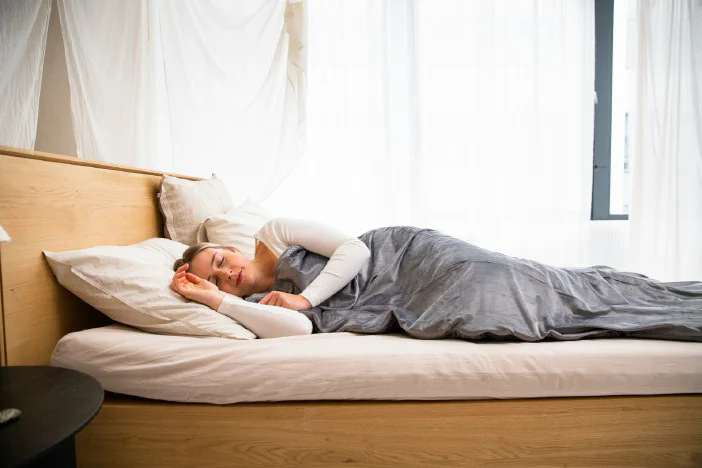
You wake up with a headache. Your jaw aches. Your partner mentions you've been grinding your teeth again.
Welcome to bruxism—the condition affecting over 10 million UK adults that most people don't even realize they have until their dentist points out the damage.
Here's what's actually happening: you're clenching your jaw with up to 250 pounds of force while you sleep, wearing down enamel that took years to build and can never grow back. Left unchecked, this habit leads to cracked teeth, receding gums, and dental bills that make the cost of prevention look like pocket change.
The good news? There are proven solutions that work. Let's look at what actually protects your teeth.
Understanding What You're Dealing With
Bruxism comes in two forms: sleep bruxism (grinding at night) and awake bruxism (clenching during the day). Around 8-10% of the UK population experiences it, with the highest rates among people aged 25-44.
Sleep bruxism is trickier because you can't feel it happening. You're unconscious, which means your bite strength isn't regulated the way it would be during waking hours. This is why sleep grinding tends to cause more severe damage over time.
The signs are straightforward: flattened or chipped teeth, jaw soreness, dull headaches, earaches, and sometimes your partner complaining about the noise. If any of these sound familiar, you're likely grinding.
The Night Guard Solution
A custom-fitted night guard remains the most reliable way to protect your teeth from grinding damage. These devices create a barrier between your upper and lower teeth, absorbing the force that would otherwise wear down your enamel.
In the UK, you're looking at three price points:
Private dentist custom guards typically cost £200-£600, depending on the material (soft, dual laminate, or hard acrylic) and your location. Central London practices charge more than suburban ones, but you're paying for professional fitting and adjustments.
Online custom guard services have emerged as a middle ground, offering dentist-quality guards for £130-£215. You take impressions at home, send them to a professional lab, and receive a custom guard by post. The trade-off is convenience versus in-person adjustments.
Over-the-counter options from pharmacies cost £20-£50 for boil-and-bite guards. These work in a pinch, but they're bulkier, less comfortable, and wear out quickly—usually within six months.
The investment makes sense when you consider the alternative costs. A single cracked tooth requiring a crown costs £499 at minimum. Root canal treatment ranges from £499-£599. Composite bonding to repair chipped teeth costs £250 per tooth. A night guard that lasts 3-5 years suddenly looks remarkably affordable.
Botox for Severe Cases
For people with severe bruxism, some dentists now offer botulinum toxin injections into the masseter muscles (the main chewing muscles). This treatment reduces muscle bulk and weakens the grinding force.
The advantage over night guards is that injections work 24/7, not just when you're wearing the guard. As the muscles are used less vigorously, they begin to atrophy, permanently reducing grinding strength over time.
This isn't a first-line treatment—it's typically reserved for cases where night guards alone aren't sufficient, or where patients experience significant jaw pain and tension. The cost varies, but expect to pay £300-£450 per session, with effects lasting 3-6 months.
Lifestyle Factors That Actually Matter
Stress is the single biggest driver of bruxism. Nearly 70% of people who grind their teeth report that stress and anxiety trigger or worsen their grinding. This is why managing stress often reduces grinding more effectively than any physical intervention alone.
The connection between lifestyle habits and bruxism is backed by solid data. People who smoke or regularly drink alcohol are roughly twice as likely to grind their teeth. Those who consume more than six cups of coffee daily are 1.5 times more likely. Recreational drugs like cocaine and ecstasy are strongly associated with increased grinding.
The fix isn't complicated, but it requires actual changes:
Reducing caffeine intake, particularly after midday, often noticeably decreases nighttime grinding. Limiting alcohol consumption does the same—alcohol disrupts sleep quality, which triggers more grinding episodes.
Regular sleep schedules matter more than most people realize. Going to bed at the same time each night, keeping your bedroom dark and cool, and avoiding screens an hour before sleep all improve sleep quality. Better sleep means fewer arousals during the night, which means fewer grinding episodes.
Exercise helps by burning off stress and improving sleep quality. It doesn't need to be intense—regular walking or yoga consistently reduces stress-related grinding.
The Sleep Apnea Connection
Obstructive sleep apnea has the highest risk factor for tooth grinding of any sleep disorder. If you grind your teeth and also snore loudly, wake up gasping, or feel exhausted despite sleeping enough hours, sleep apnea might be the underlying cause.
The mechanism is straightforward: when breathing stops during sleep, your body briefly wakes itself up to restore breathing. These arousals often trigger teeth grinding episodes. Nearly 80% of bruxism episodes occur in clusters during these arousal periods.
If you suspect sleep apnea, this isn't something to ignore. Speak with your GP about getting a sleep study. Treating the apnea often dramatically reduces or eliminates the grinding.
What Doesn't Work
Let's clear up some common misconceptions. Grinding down teeth to "improve the bite" is outdated and harmful—modern dentistry has abandoned this approach because it causes more long-term damage than it prevents.
Generic sports mouth guards from the chemist aren't designed for bruxism. They're made for impact protection, not grinding prevention, and they're too bulky for comfortable overnight wear.
Simply trying to consciously stop grinding at night doesn't work because the grinding happens while you're unconscious. Willpower can't override a sleep disorder.
When to Seek Professional Help
You should see a dentist if you notice worn, flattened, or sensitive teeth, if you're waking with regular jaw pain or headaches, or if your partner reports loud grinding at night.
Early intervention prevents the expensive problems. Once enamel is worn away, it doesn't regenerate. Once a tooth cracks, you're looking at crowns or even extraction and replacement. The cost and hassle of prevention is trivial compared to the cost of repair.
Most dentists can diagnose bruxism during a routine exam by examining wear patterns on your teeth. If you're in the Enfield area and concerned about grinding, a dental examination can confirm whether you need treatment and which solution makes most sense for your situation.
The Bottom Line
Teeth grinding is one of those conditions where the solution is dramatically cheaper than the consequences of ignoring it. A £200-£400 night guard that lasts 3-5 years versus £500-£2,000+ in restorative work isn't a difficult calculation.
The lifestyle changes—managing stress, improving sleep habits, cutting back on caffeine and alcohol—cost nothing and often improve your overall health beyond just reducing grinding.
Most people who grind their teeth can manage the condition effectively with a custom night guard and some basic lifestyle adjustments. The small percentage with severe cases have effective treatment options available, from muscle-relaxing injections to addressing underlying sleep disorders.
The key is recognizing the problem exists and addressing it before the damage becomes irreversible. Your teeth won't grow back once they're worn down, but the solutions to protect them are straightforward, proven, and genuinely effective.