
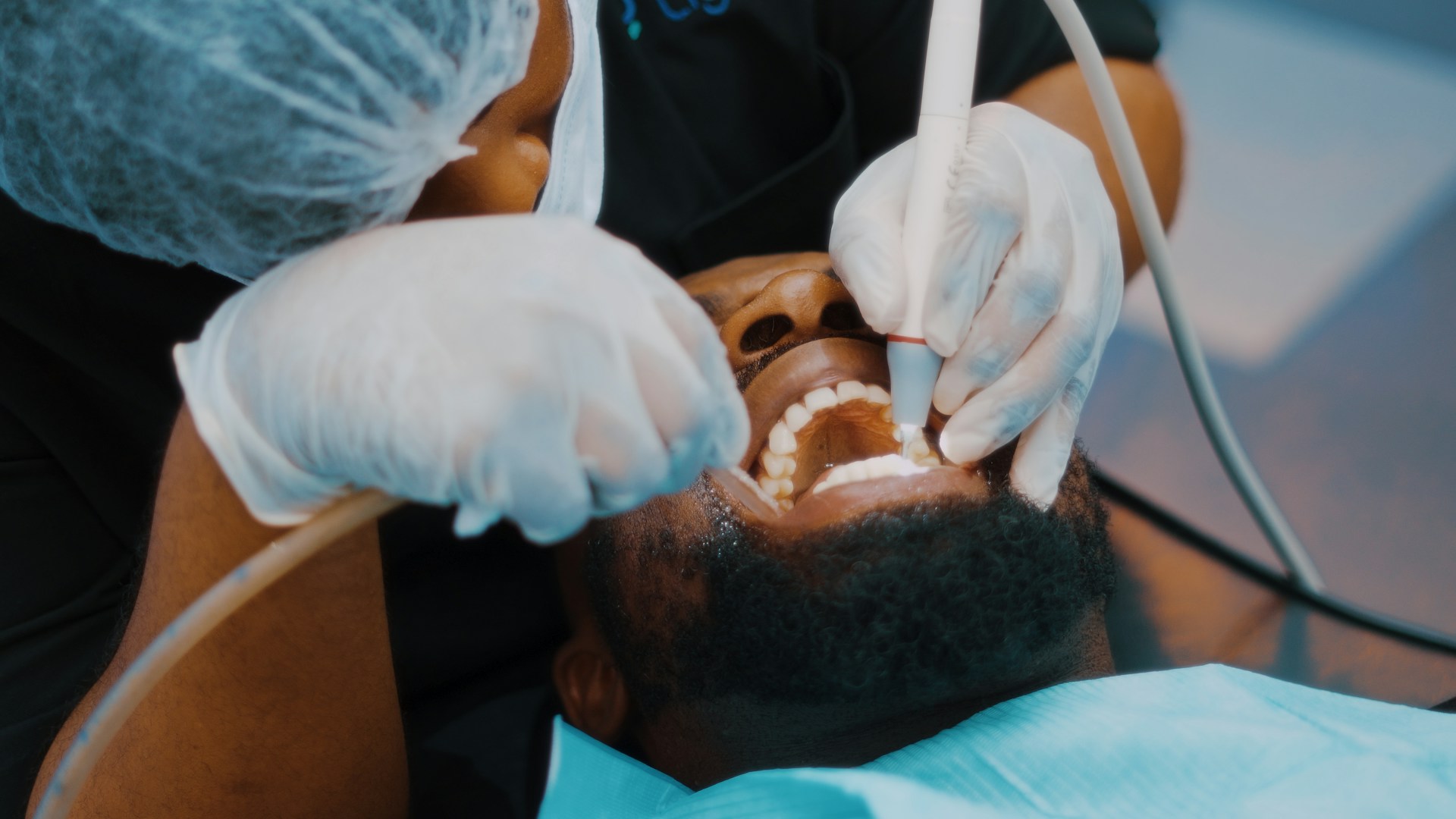
You've seen the before-and-after photos. The transformation looks remarkable—chips smoothed away, gaps closed, discoloured teeth looking bright and even. All done in a single appointment, no drilling required, teeth looking like they were always meant to look that way.
The technique is called composite bonding, and across North London, it's become one of the most requested cosmetic treatments. The question isn't whether it works. The question is: what does it actually cost?
Here's what you'll pay across different parts of North London in 2025, and why some practices charge twice as much as others for what appears to be the same treatment.
The Per-Tooth Pricing Model
Composite bonding is priced by the tooth, not by appointment. That's the first thing to understand. Whether you're fixing one chipped front tooth or transforming your entire smile with bonding on eight teeth, each tooth is priced individually.
Across North London, composite bonding typically costs £200-£450 per tooth. That's quite a range for what seems like the same procedure. The variation comes down to several factors: the complexity of what you're trying to achieve, the materials used, the dentist's experience, and most significantly, where in North London the practice is located.
Simple edge bonding—smoothing a chipped tooth or rounding a worn corner—sits at the lower end. This takes perhaps 30 minutes per tooth and uses less material. More complex reshaping, closing gaps, or lengthening teeth moves toward the upper end because it requires more time, more skill, and more composite resin to build up the tooth properly.
Our practice charges £250 per tooth, which positions us competitively within North London while using high-quality materials and experienced cosmetic dentists. When you're looking at composite bonding costs, the price tells you something about what you're getting, but it doesn't tell you everything.
Geographic Price Variations Across North London
Location matters more than you'd think with composite bonding costs. Not because the treatment itself changes—the same technique works the same way whether you're in Enfield or Camden. But because overhead costs for running a dental practice vary enormously depending on where it is.
Zone 2 and Central Areas (Camden, King's Cross, Hampstead, Islington): Per tooth: £350-£500 Full smile (6-8 teeth): £2,400-£4,000
These practices pay premium rent for premium locations. You're often near major transport hubs, in areas with high foot traffic and established reputations. The higher costs reflect those overheads, not necessarily better results.
Zone 3 and 4 Areas (Enfield, Palmers Green, Edmonton, Tottenham, Finchley): Per tooth: £200-£350 Full smile (6-8 teeth): £1,500-£2,800
This is where you find the best value in North London. Practices here have lower operating costs, which means they can charge less while still using the same materials and techniques. Transport links might not be quite as convenient, but if you're saving £1,000+ on a full smile makeover, an extra ten minutes on the bus seems reasonable.
Zone 5 and Outer Areas (Cockfosters, Oakwood, Southgate, Barnet): Per tooth: £200-£300 Full smile (6-8 teeth): £1,500-£2,400
Similar pricing to Zone 3-4, sometimes even slightly lower. These areas serve local communities rather than positioning themselves as destination practices, which keeps costs accessible.
The interesting pattern: moving from central Camden to outer Enfield can save you 30-40% on the exact same treatment. Same materials, same technique, same results. Different postcodes.
Full Smile Makeover Packages
When you're treating multiple teeth—say, your six or eight most visible front teeth—most North London practices offer package pricing that brings the per-tooth cost down slightly.
A standard full smile makeover involves bonding 6-8 teeth. Sometimes practices add teeth whitening beforehand (more on that in a moment). The total cost typically runs:
Budget-conscious Enfield/Edmonton practices: £1,500-£2,000 Mid-range North London practices: £2,000-£2,800 Premium Camden/Hampstead practices: £3,000-£4,000
The substantial savings at outer North London practices become most apparent when you're treating multiple teeth. That £150 difference per tooth adds up quickly when you're doing six or eight teeth at once.
Some practices include a free consultation in their package pricing. Others charge £50-£100 for the initial assessment, which gets deducted from your treatment cost if you proceed. Always clarify what's included before committing.
The Teeth Whitening Consideration
Here's something that catches people off-guard: if you want composite bonding and you also want whiter teeth, the whitening needs to happen first.
The composite resin doesn't respond to whitening treatments. Once it's bonded to your teeth, that's the shade it stays. So if you whiten your natural teeth after bonding, you'll end up with mismatched colours—your natural teeth several shades lighter than the bonded ones.
The solution: whiten first, then bond to match. That means adding teeth whitening costs to your budget. Across North London, professional whitening runs £300-£600 depending on the system used and how many shades lighter you want to go.
Most practices offer package deals when you're combining whitening and bonding. Rather than paying full price for both separately, you might get whitening included or heavily discounted. Always ask about combination packages—it can save £200-£400.
Standard Bonding vs Enhanced Bonding
Some North London practices offer two tiers of composite bonding: standard and enhanced. The difference matters if you care about how natural the final result looks.
Standard bonding uses good composite materials applied with solid technique. It produces aesthetically pleasing results and costs £200-£300 per tooth across most of North London. The bonded teeth look obviously better than they did before, and most people are genuinely happy with the outcome.
Enhanced bonding involves more time, more attention to colour matching and translucency, and typically uses premium composite materials with better stain resistance. It costs £330-£450 per tooth. The results look more natural—close enough that even dentists need to look carefully to spot which teeth have been bonded.
For front teeth, where every detail shows when you smile, enhanced bonding makes sense. For teeth further back, standard bonding works perfectly well. Most people opt for enhanced on their four front upper teeth and standard on the rest, splitting the difference between cost and result quality.
Our practice uses high-quality materials as standard, positioned to deliver natural-looking results without requiring you to pay enhanced pricing.
Why Some North London Practices Charge More
Price alone doesn't tell you much. Two practices might both charge £350 per tooth, but one delivers significantly better results than the other. Here's what you're actually paying for when costs go up:
Dentist expertise and experience. A cosmetic dentist who's performed thousands of bonding procedures will achieve more natural-looking results than someone who does it occasionally. They understand how to layer the composite to create depth and translucency, how to match not just colour but also texture, and how to shape bonded teeth so they look like they belong with your natural ones.
Material quality. Not all composite resin is created equal. Premium materials resist staining better, maintain their polish longer, and come in more shade options for precise colour matching. They also cost the practice more to purchase, which gets reflected in what you pay.
Time spent per tooth. Rushing composite bonding produces mediocre results. Properly done, each tooth takes 45-60 minutes—preparing the surface, applying the bonding agent, building up the composite in layers, curing each layer with UV light, then shaping and polishing until everything looks right. Practices charging at the lower end sometimes spend less time per tooth, which shows in the final result.
Practice overheads. This is the big one. A practice in Camden Town pays dramatically more rent than one in Enfield. That cost has to go somewhere, and it goes into treatment pricing. You're not necessarily getting better materials or more experienced dentists at premium locations—you're paying for the postcode.
What Composite Bonding Can (And Can't) Fix
Composite bonding works brilliantly for certain cosmetic issues and poorly for others. Understanding this helps you decide whether it's worth the investment or whether you should consider alternatives like veneers or clear aligners.
What bonding fixes well:
- Chipped teeth—from minor edge chips to more substantial breaks
- Small gaps between teeth (up to about 2-3mm)
- Discoloured teeth, including tetracycline staining that whitening can't address
- Worn teeth from grinding, adding length back to shortened teeth
- Slightly misshapen teeth, improving symmetry and proportion
What bonding doesn't fix well:
- Severely crooked or rotated teeth (orthodontics handles this better)
- Large gaps between teeth (veneers work better for gaps over 3mm)
- Teeth that are already heavily filled or restored (crowns become necessary)
- Bite problems or jaw alignment issues (requires orthodontic treatment)
If you're not sure whether composite bonding will achieve what you're hoping for, book a consultation. A good cosmetic dentist will tell you honestly whether bonding is appropriate or whether a different treatment would serve you better. If they're pushing bonding for situations where it's not ideal, that's your signal to find someone else.
How Long Composite Bonding Lasts
With proper care, composite bonding typically lasts 5-7 years. Some people get longer—ten years isn't unheard of with excellent oral hygiene and careful habits. Others need touch-ups or replacement after 3-4 years.
What affects longevity:
Your habits matter most. Biting fingernails, chewing ice, using your teeth to open packages, grinding your teeth at night—all of these will shorten how long bonding lasts. If you grind your teeth, get a night guard. It costs £200-£300 and protects your investment.
Oral hygiene matters too. Composite can stain, particularly if you drink a lot of coffee, tea, or red wine, or if you smoke. Regular brushing and professional cleaning help, but bonding will never be quite as stain-resistant as your natural enamel.
The bonding location matters. Front teeth that don't take heavy biting forces last longer than back teeth that do. Edge bonding on teeth that meet when you bite wears faster than bonding on surfaces that don't contact opposing teeth.
The initial quality matters. Well-done bonding using premium materials and proper technique lasts longer than rushed work with basic materials. This is where paying slightly more can make sense—the difference between 3 years and 7 years of good results justifies a modest price increase.
When bonding does eventually need replacing, the cost is the same as the initial treatment. You're essentially doing it again from scratch. This is why some people choose porcelain veneers instead—they cost more upfront (£500-£1,000 per tooth) but last 15-20 years, potentially working out cheaper over time if you were planning to maintain your smile indefinitely.
Payment Plans and Financing Options
Most North London practices offer payment plans for composite bonding, particularly when you're treating multiple teeth. The cost becomes much more manageable when spread over monthly payments rather than paid as a lump sum.
0% finance plans: Many practices work with companies like Chrysalis Finance or Denplan to offer interest-free payment plans over 6-12 months. If you're having £1,800 worth of bonding done, that becomes £150 per month over 12 months with no additional cost.
Longer-term financing: For larger amounts, you might see 18-60 month financing options. These typically carry interest (usually around 9.9% APR), but they bring monthly payments down to more affordable levels. £3,000 of bonding becomes £60-£70 per month over 48 months, though you'll pay more overall once interest is factored in.
Practice membership plans: Some North London practices offer monthly membership schemes (£15-£30 per month) that include discounted cosmetic treatment rates. If you're planning significant work, joining a membership plan first might save you money.
Always read the terms carefully. Some 0% finance plans require a deposit. Others charge a fee if you pay off the balance early. And while interest-free sounds attractive, make sure you can comfortably afford the monthly payments—defaulting on dental finance can affect your credit rating just like any other loan.
Comparing Composite Bonding to Other Options
When you're considering composite bonding, it helps to understand what else is available and how costs compare. Sometimes bonding is the obvious choice. Other times, alternative treatments make more sense.
Composite bonding vs porcelain veneers: Bonding costs £200-£450 per tooth and lasts 5-7 years. Veneers cost £500-£1,000 per tooth and last 15-20 years. Veneers require removing some tooth structure; bonding usually doesn't. For a permanent solution where cost per year matters more than upfront expense, veneers win. For a reversible option that preserves your natural teeth, bonding wins.
Composite bonding vs teeth whitening: If discolouration is your only concern, professional whitening at £300-£600 might be all you need. It's less expensive than bonding, completely non-invasive, and works for many people. But if you have chips, gaps, or shape issues alongside discolouration, bonding addresses everything at once.
Composite bonding vs clear aligners: If your teeth are crooked or crowded, clear aligners straighten them properly. Bonding can mask minor alignment issues, but it's adding material to hide the problem rather than fixing it. Aligners cost more (£2,000-£5,000 for treatment) and take longer (6-18 months), but they actually move your teeth into better positions.
The right choice depends on what you're trying to achieve and whether you're looking for the quick cosmetic fix bonding provides or the structural correction other treatments offer.
What to Ask During Your Consultation
A consultation for composite bonding should give you clear information about what's possible, what it will cost, and what results you can realistically expect. Here's what to ask:
Can I see before-and-after photos of similar cases? You want to see work the dentist has actually done, not stock photos from manufacturers. Look for cases similar to yours—if you're closing gaps, see their gap-closing results. If you're fixing chips, see their chip repairs.
What composite materials do you use? Brand names like 3M Filtek, Dentsply Ceram-X, or GC Kalore indicate quality materials. If they can't or won't tell you what they use, that's concerning.
How long does each tooth take? Anything under 30 minutes per tooth suggests rushed work. Good composite bonding takes time—45-60 minutes per tooth is normal for quality results.
What's included in the quoted price? Does it include the consultation? Any necessary X-rays? Follow-up appointments? Polish and adjustment visits?
What happens if I'm not happy with the result? Reputable practices stand behind their work. They should offer to make adjustments if you're not satisfied with the initial result.
How long have you been doing composite bonding? Experience matters enormously with cosmetic work. You want someone who's been doing this regularly for years, not someone who occasionally does bonding between other procedures.
If the dentist rushes through the consultation, pressures you to book immediately, or can't clearly answer these questions, find someone else. Good cosmetic dentists take time to understand what you want and explain whether bonding will achieve it.
The North London Advantage
Here's the interesting thing about getting composite bonding in North London: you have genuine choice. Central London practices charge premium prices for premium locations. Outer North London practices offer the same materials and techniques at significantly lower costs.
The difference isn't quality. It's accessibility versus affordability. If being five minutes from King's Cross matters more than saving £1,200 on treatment, central practices make sense. If you're happy to travel an extra fifteen minutes for substantially lower costs, outer North London offers better value.
Our practice in Enfield provides cosmetic bonding at £250 per tooth—competitive with anywhere in North London while maintaining quality materials and experienced dentists. The location means lower overheads, which we pass on through lower treatment costs.
Whether you're dealing with chipped teeth, gaps, discolouration, or worn edges, composite bonding offers a minimally invasive solution that transforms your smile in a single appointment. And in North London, you have enough options to find treatment that fits both your aesthetic goals and your budget.
If you're considering composite bonding and want to know exactly what it would cost for your specific situation, book a consultation with us. We'll assess your teeth, explain what's possible, and give you a clear price for the treatment—no surprises, no pressure, just honest information about what composite bonding can do for your smile.