
Ask for a quote on wisdom tooth removal and you might hear anything from £225 to £1,550 per tooth. That's not a minor variation. That's the difference between an inconvenient expense and a genuinely difficult financial decision.
The spread exists because "wisdom tooth removal" describes a spectrum of procedures that happen to share a name but differ dramatically in what's actually involved. Understanding where your case falls on that spectrum matters more than knowing industry averages.
Why Some Extractions Cost Triple Others
The cost of tooth removal in the UK ranges from £75 to £150 for simple extractions, while wisdom tooth extraction typically runs £225 to £500 privately for straightforward cases. Complex surgical extractions, where the tooth sits impacted or requires cutting into bone, can reach £550 to £1,550 per tooth.
At Dentozen, tooth extraction costs £299 to £350 depending on complexity. This reflects actual surgical work rather than creating pricing tiers based on tooth type alone.
The anatomy tells most of the story. Upper wisdom teeth typically have simpler, straighter roots and aren't surrounded by as much dense bone. Lower wisdom teeth, particularly those at awkward angles or still buried under gum tissue, present genuinely different surgical challenges. A tooth that's already broken through the gum and sits upright requires basic extraction that takes minutes. A tooth lying sideways under the gum, pressed against the tooth in front of it, requires surgical access through the gum and possibly removing bone to create space for removal.
These aren't the same procedure under different names. They're fundamentally different operations, which explains why one might take 10 minutes while another takes 40.
When Position Changes Everything
Wisdom teeth don't always need removal. For many people, they come through normally and cause no problems. The trouble starts when there isn't enough space in the mouth for them to grow properly, which happens often since they're the last teeth to emerge.
They can get partially stuck in gums or grow at an angle. Even impacted wisdom teeth don't always need removal if they aren't causing symptoms. But the way an impacted wisdom tooth positions itself can make it easy for food and bacteria to get trapped around the gum, leading to swollen and sore gums, tooth decay and infection.
The degree of impaction creates most of the price variation. Teeth that grow abnormally are known as impacted, and when wisdom teeth try to emerge into a mouth that's already full of adult teeth, they often surface at awkward angles or only partially emerge due to overcrowding.
This positioning creates genuine surgical differences that pricing reflects. A fully erupted wisdom tooth causing problems can be extracted like any other back tooth. A wisdom tooth lying horizontally beneath the gum requires the surgeon to create access, section the tooth, remove it in pieces, and then close the surgical site.
The Sedation Question
Standard local anaesthetic completely blocks pain from gums while keeping you awake during extraction. Most straightforward wisdom tooth removals happen this way, with local anaesthetic included in the base procedure cost.
Sedation becomes relevant for more difficult cases or patients with dental anxiety. Conscious sedation through IV means you remain technically awake but deeply relaxed and unlikely to remember much of the procedure. This requires additional staff, monitoring equipment, and recovery time, all of which factor into cost.
General anaesthetic, where you're completely asleep, gets reserved for the most complex cases or when multiple wisdom teeth are being removed simultaneously. This typically happens in a hospital setting rather than a dental practice, which introduces facility fees on top of surgical costs.
The distinction between these approaches isn't cosmetic. It's the difference between a quick procedure under local anaesthetic that you recover from the same day, versus a surgical intervention that might require taking one to three days off work.
What Geography Does to Price
Private clinics in London or major cities may charge more than those in smaller towns. The most expensive location for a simple tooth extraction registers at £242 in Milton Keynes, compared to £75.93 in Dundee.
These regional variations aren't arbitrary. They reflect real differences in overhead costs, from rent to staff wages, that practices face in different areas. A Harley Street specialist charging £1,550 for complex wisdom tooth removal operates in a different cost environment than a practice in a smaller city charging £550 for comparable work.
The question becomes whether the London premium buys meaningfully different expertise or simply reflects location costs. For genuinely complex cases requiring specialist surgical skill, the premium might be justified. For straightforward extractions, probably not.
When Infection Complicates Things
Infected tissue doesn't respond as predictably to local anaesthetic. The surgical site might need more extensive cleaning. Antibiotics prescribed after extraction add to the total cost, though this typically represents a modest additional expense rather than a major cost driver.
Impacted wisdom teeth can cause complications as the condition worsens. Damage and realignment of surrounding teeth, gum disease, and cysts all become possibilities. Common symptoms include throbbing pain in the back of the mouth, swollen or bleeding gums, swelling around the jaw, and swollen glands in the shoulder or neck.
When the impacted wisdom tooth gets removed, the pain, swelling and infection resolve. There's no further risk of damage to surrounding teeth. This preventative aspect factors into the value calculation, not just the immediate cost.
The Recovery Reality
Recovery time creates indirect costs that pricing discussions often overlook. Simple extractions typically allow return to normal activities the next day. More complex surgical extractions might require one to three days off work.
For up to two weeks afterward, there's usually some pain and swelling, which starts to improve after one or two days. Dissolvable stitches dissolve by themselves. A blood clot forms over the wound, helping it heal. The anaesthesia wears off in two to four hours.
Calculating the true cost requires factoring in potential lost income from time off work, particularly for the self employed or those without paid sick leave. A £300 extraction that requires one day off might effectively cost £450 when including lost wages. An £800 surgical extraction requiring three days off could represent over £1,000 in total impact.
Why Timing Matters
Wisdom teeth usually start coming through in teens or early twenties, but they can cause problems at any age. Having wisdom teeth removed is one of the most common procedures done in the UK, usually during late teens or twenties when wisdom teeth emerge.
The timing of removal, when it becomes necessary, can affect total cost. Emergency extraction due to acute infection or severe pain might involve premium pricing for immediate access. Planned extraction scheduled in advance typically costs less, with more opportunity to compare prices between providers.
Wisdom teeth issues can take time to reveal themselves. Sometimes it's not until later in life that wisdom tooth removal becomes necessary, which often coincides with when people have less flexibility in their schedules and budgets.
The Alternative Nobody Talks About
Leaving a problematic wisdom tooth in place doesn't avoid costs. It defers them while potentially adding complications.
Repeated infections require multiple courses of antibiotics. Damage to adjacent teeth might necessitate additional dental work on those teeth. Cysts that can develop around impacted wisdom teeth require surgical removal that's typically more extensive than simple tooth extraction.
The cost comparison isn't wisdom tooth removal versus zero. It's wisdom tooth removal versus accumulating costs of managing ongoing problems. Tooth removal at an early stage often proves more cost effective than prolonged attempts to manage a problematic wisdom tooth.
What The Price Actually Covers
Most tooth removal procedures can be completed under local anaesthetic, which keeps costs lower than many people expect. The procedure itself, even complex surgical extraction, represents just one component of the total cost.
Diagnostic imaging to assess tooth position factors in. The surgeon's time and expertise matters. Facility costs, equipment sterilization, and support staff all contribute. Post operative care and follow up appointments are included in comprehensive pricing.
Breaking down these components helps understand why prices vary between providers. A practice using advanced surgical techniques with a specialist oral surgeon charges more than a general dentist performing straightforward extractions. Both serve their purpose depending on case complexity.
Here's something interesting about extraction technique that affects both cost and experience. The traditional approach involves continuous pressure to remove the tooth. But some experienced surgeons use a different method. After initial loosening, they wait a few minutes while tissue and fluids naturally build up around the tooth, essentially pushing it out of the socket with less force required. This gentler approach takes more time and requires confidence in the technique, which partly explains pricing differences between practitioners. The days of pulling and yanking at teeth are over, and modern extraction techniques have become remarkably refined.
Making Sense of Your Specific Case
At Dentozen, we provide emergency dental care when wisdom teeth problems develop suddenly. The initial examination includes diagnostic imaging to assess exactly what treatment your situation requires.
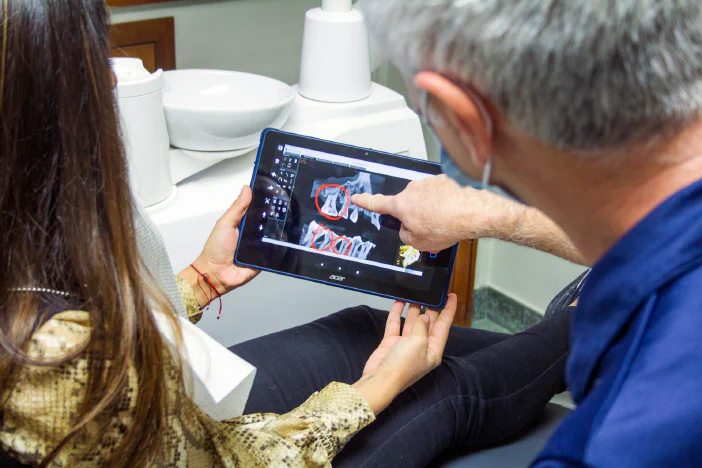
Understanding whether your wisdom tooth sits at the £300 end or the £800 end of the complexity spectrum requires seeing its position through X-rays, not working from average estimates. The price spread for wisdom teeth removal reflects real clinical differences in what's surgically involved.
If you're experiencing wisdom tooth pain or discomfort in the Enfield area, book a consultation at Dentozen to understand what your specific case requires and what it will genuinely cost. Knowing where your case falls on the complexity spectrum matters more than any industry average could tell you.